Entry · Ref S5L3OAOO
Effective Carpet Mold Remediation: What Works and What Doesn't
- Posted
- 2026-10-14
- Last amended
- 2026-10-14
- Account
- @carpetmoldremediationreport
I have seen plenty of carpet mold over the years. Basements, bathrooms, crawl spaces - wherever moisture lingers, mold follows. The frustration is real. You pull up a corner of the carpet and there it is: dark patches, musty smell, sometimes even visible fuzz. Carpet mold remediation is not just about making the stain disappear. It is about addressing the moisture source, removing the mold safely, and preventing it from coming back. I have learned through trial and error, and through working with inspectors and remediation crews, that doing it right matters more than doing it fast.
Why Carpet Mold Is a Different Problem
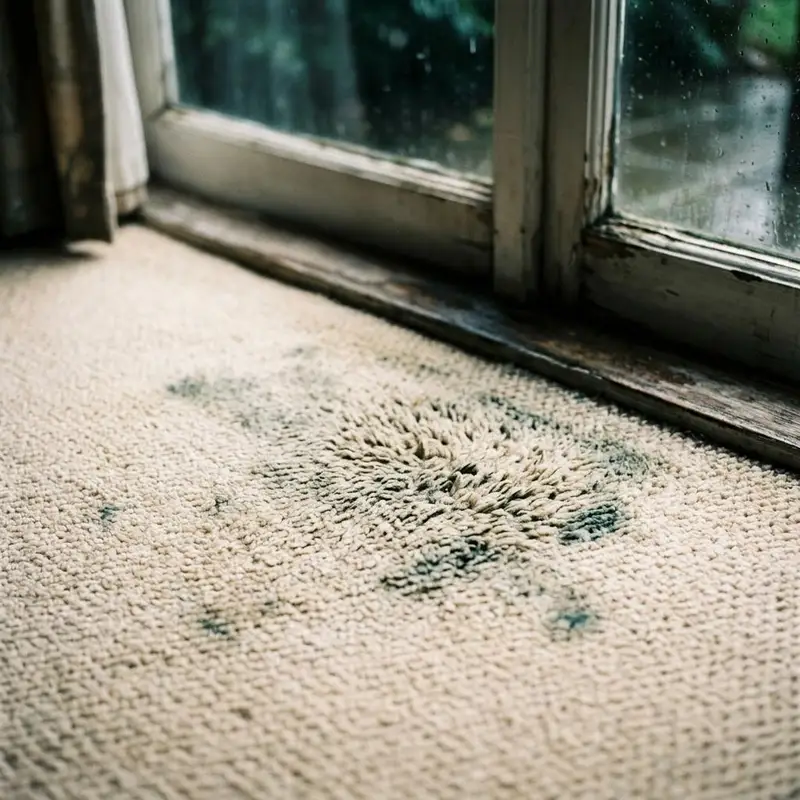
Carpet is not like drywall or hardwood. It is a textile with a backing, often made of synthetic fibers or natural materials like wool. When mold spores land on a damp carpet, they find a perfect home. The fibers hold moisture, the backing provides organic material, and the padding underneath can trap water for weeks. I have pulled up carpets that looked dry on top but were soaked underneath. That hidden moisture is what drives the problem.
Once mold takes hold, it does not stay on the surface. It works its way into the padding and the subfloor. The spores become airborne every time someone walks across the room. For people with allergies or respiratory issues, that can mean constant sneezing, coughing, or worse. The EPA has documented that indoor mold exposure can trigger asthma attacks and other health problems. That is why carpet mold remediation needs to be thorough, not cosmetic.
Locating the Moisture Source First
Before you clean anything, you have to find out why the carpet got wet in the first place. I have been to homes where the owner had a small leak under the kitchen sink that ran for months, soaking the adjacent dining room carpet. In another case, a bathroom exhaust fan was not venting properly, and the steam from daily showers kept the carpet near the door damp. Crawl spaces with poor ventilation are another common culprit. Moisture meters are a tool I always keep handy. They give you a reading of how much water is trapped in the carpet and padding. If the moisture level is above 15 or 20 percent, you have a breeding ground for mold.

Common moisture sources include leaking pipes, basement flooding, and condensation from HVAC systems. I once helped a family whose basement carpet got soaked every spring because the gutters were clogged and water was seeping through the foundation. Fixing the gutter, sealing the wall, and adding a dehumidifier solved the problem permanently. Without addressing that root cause, any cleaning would have been temporary.
Removing the Mold: The Right Way
Once you have fixed the moisture source, the actual carpet mold remediation can begin. Many people reach for bleach first. I have done that myself, and I can tell you it is not the best approach. Bleach kills surface mold on hard surfaces, but on carpet it can damage the fibers and the backing. It also does not penetrate deep into the padding. Instead, I recommend using products specifically designed for mold removal. Brands like Mold Armor, Concrobium, and RMR-141 are formulated to kill mold spores on porous surfaces without ruining the carpet. They are also safer to use around pets and children when you follow the instructions.
Before applying any treatment, you need to protect yourself. Personal protective equipment is non-negotiable. I wear an N95 respirator or better, goggles, and gloves. Mold spores can become airborne during cleaning, and you do not want to breathe them in. A HEPA vacuum is essential for the initial cleanup. It captures particles that a regular vacuum would just blow back into the air. I always vacuum the affected area thoroughly before applying any antimicrobial treatments.
After vacuuming, I spray the mold treatment onto the carpet and let it sit for the recommended time. Then I agitate the fibers with a soft brush or a microfiber cloth. For stubborn spots, I may need to repeat the process. Once the mold is dead, I extract the moisture with a wet/dry vacuum or a carpet extractor. Drying is critical. I set up fans and dehumidifiers and leave them running for at least 24 hours. If the carpet stays damp, the mold will come right back.
When to Call a Professional
Not every mold problem is a DIY job. If the affected area is larger than about 10 square feet, or if the mold has spread into the padding and subfloor, you should consider hiring a licensed mold remediation specialist. A mold remediation license ensures the person has training in proper containment, removal, and disposal. The IICRC (Institute of Inspection, Cleaning and Restoration Certification) sets standards for the industry, and I always look for that certification when recommending a company.
Professionals have industrial-grade equipment: HEPA vacuums that filter down to 0.3 microns, commercial dehumidifiers, and moisture meters that give precise readings. They also know how to set up containment barriers to prevent spores from spreading to other rooms. In one job I observed, the crew sealed off the affected room with plastic sheeting and ran an air purifier inside the containment zone. That level of care is hard to replicate with household tools.
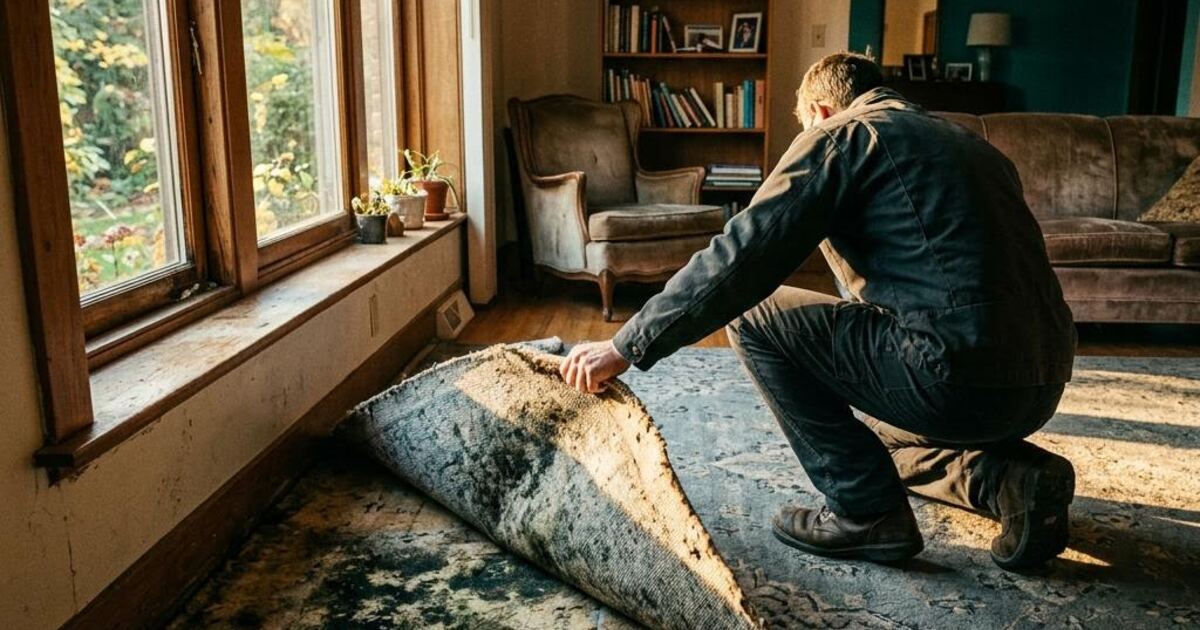
There are also cases where the carpet needs to be replaced. If the padding is saturated and the subfloor is damaged, no amount of cleaning will make it safe. I have seen people try to save a carpet that was beyond saving, and the mold returned within weeks. Sometimes the smartest decision is to cut your losses, remove the old carpet, and install new flooring after treating the subfloor with an antimicrobial primer.
Preventing Mold Before It Starts
Prevention is cheaper and less stressful than carpet mold remediation. The key is controlling moisture. In basements, a dehumidifier can make a huge difference. I recommend setting it to keep the relative humidity below 50 percent. In bathrooms, make sure the exhaust fan actually vents outside, not just into the attic. I have seen too many bathroom fans that just recirculate humid air. Crawl spaces should have a vapor barrier on the ground and adequate ventilation. If you have a sump pump or a French drain, keep them maintained.
Air purifiers with HEPA filters can help capture airborne mold spores before they settle on carpets. They are not a cure, but they reduce the spore load in the air. Regular vacuuming with a HEPA vacuum also helps. I vacuum high-traffic areas twice a week and less-used rooms once a week. If you have pets, you may need to do it more often. Pet dander and tracked-in dirt provide food for mold, so cleanliness matters.
One thing I have learned is that carpet in moisture-prone areas is always a risk. If you have a basement that floods occasionally, consider replacing the carpet with tile or luxury vinyl plank. The same goes for bathrooms and laundry rooms. But if you love the feel of carpet underfoot, at least use a pad that resists moisture and choose a low-pile carpet that dries faster. And never ignore a musty smell. That smell is a warning sign. If you catch it early, you can often avoid the full scale of carpet mold remediation.
Common Mistakes People Make
I have seen plenty of well-intentioned efforts go wrong. Here are a few of the most common missteps:
- Using bleach on carpet. It does not penetrate the padding, and it can damage the fibers and the subfloor.
- Not fixing the moisture source first. You can clean the mold today, but if the leak is still there, it will be back next week.
- Skipping personal protective equipment. Mold spores can cause allergic reactions and respiratory issues even in healthy people.
- Drying the carpet too slowly. Mold needs moisture to grow. If the carpet stays damp for more than 24 hours, you are asking for trouble.
- Assuming that a deodorizer or an air freshener solves the problem. It only masks the smell. The mold is still there.
These mistakes are common, but they are also avoidable. Taking the time to do carpet mold remediation correctly saves you money and stress in the long run.
Final Thoughts
Mold in carpet is not a small issue. It affects your health, your home, and your peace of mind. But it is also something you can manage with the right approach. Start by finding and fixing the moisture source. Use the right products and tools. Protect yourself. And if the job is too big, bring in a professional who carries a mold remediation license and follows IICRC standards.
I have seen carpets that looked hopeless come back to life after proper treatment. I have also seen carpets that were cleaned poorly turn into a recurring nightmare. The difference is in the details. Carpet mold remediation is not magic. It is a process that requires patience, the right materials, and a willingness to do the job all the way through. Whether you handle it yourself or hire someone, the goal is the same: a clean, dry, mold-free carpet that will last.